
The Nature of Luck in Gambling
Luck is frequently depicted as a mysterious force that can be influenced, particularly in the realm of casino gambling. Many players hold a belief that specific rituals or habits, such as wearing particular clothing or carrying lucky charms, can sway luck in their favor. However, it is essential to understand that gambling outcomes are predominantly determined by chance, and no amount of superstition can alter random number generators or card shuffles. Moreover, exploring the best no kyc casinos can further illustrate how these games are specifically designed to maintain consistent odds, reiterating that luck is not something that can be manipulated through belief or behavior.
This misconception about luck can create a distorted view of gambling as a skill-based activity. While certain games, such as poker, indeed involve strategic elements, the influence of luck remains significant. Many novice players may underestimate luck’s impact, leading them to believe that they can control their fate solely through skill. The reality is that even the most experienced gamblers can encounter losing streaks, underscoring the fact that luck is an integral part of the gambling experience. Gaining a clear understanding of luck’s role can encourage players to engage with gambling more realistically and responsibly.
Furthermore, while luck is often romanticized in popular culture, it is vital to acknowledge the mathematical foundations of casino games. Each game features a house edge, signifying that over time, the odds are inherently in favor of the casino. Players may perceive themselves as lucky during any single session or winning streak, but statistically, they are bound to revert to the expected outcomes dictated by the house edge. This reality emphasizes that while luck can lead to occasional short-term victories, the long-term probabilities remain steadfast, often favoring the house.
The Illusion of Hot and Cold Streaks
A common belief among gamblers is the notion of hot and cold streaks. Many players think that certain machines or tables could be «due» for a win after experiencing a series of losses, or conversely, that they are «on fire» after a string of consecutive wins. This belief fosters a misleading narrative where gamblers feel their luck may fluctuate based on previous results. Yet, it is crucial to understand that each spin of a slot machine or flip of a card constitutes an independent event governed by chance, and past outcomes do not impact future results.
Psychologically, such beliefs can lead to detrimental decision-making and the tendency to chase losses. A player might continue gambling on the premise that their luck is about to change, which often results in escalating financial losses. Recognizing the gambler’s fallacy can be instrumental in preventing an unhealthy obsession with luck. Understanding that each gambling event is statistically independent can assist players in avoiding the inclination to chase losses, ushering in a more disciplined and rational approach to gambling.
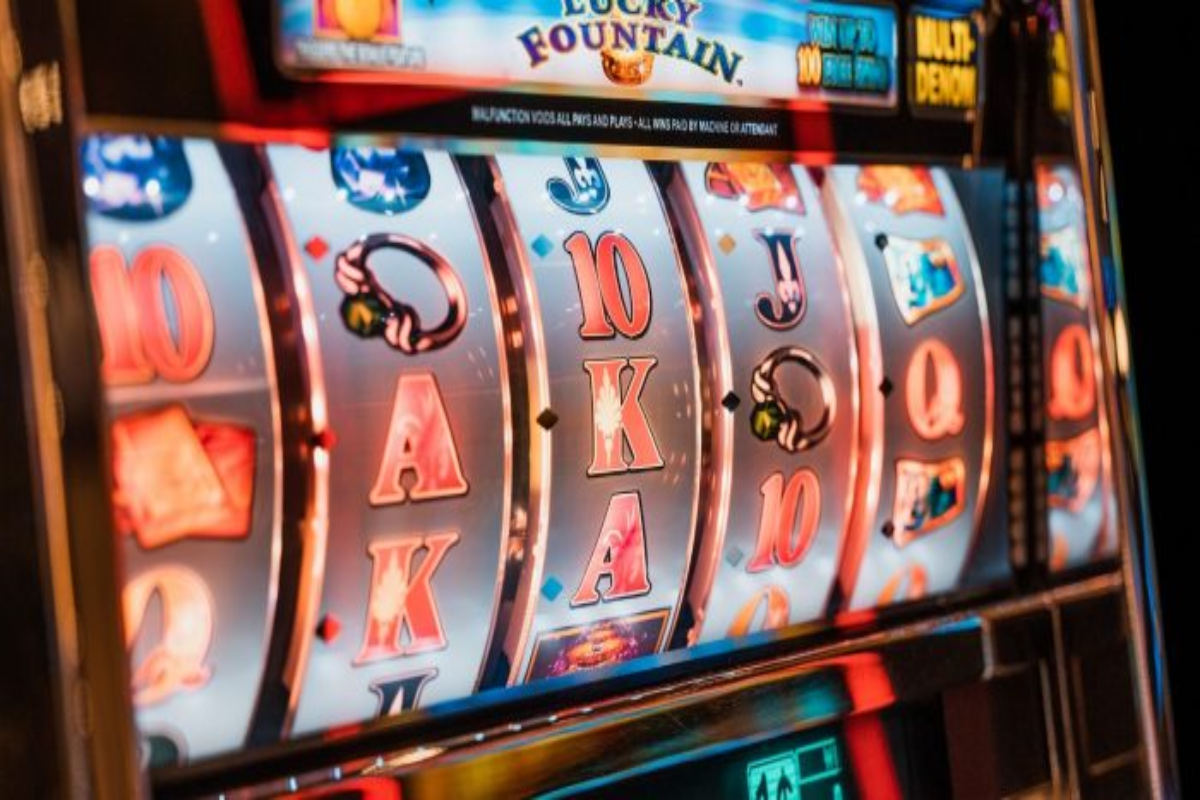
Moreover, casinos employ various strategies, including vibrant lights and celebratory sounds when someone wins, to captivate players and enhance their experience. This sensory stimulation can reinforce the perception of hot streaks, making players more susceptible to the illusion of luck. By being aware of these psychological tactics, players can empower themselves to make more informed decisions and steer clear of misleading myths surrounding luck in gambling.
Rituals and Superstitions in Gambling
The gambling world is steeped in rituals and superstitions, from players blowing on dice before rolling to others avoiding specific actions, such as walking under ladders, on their way to the gaming table. These rituals often provide a sense of comfort and control in an otherwise unpredictable environment. However, it is essential to differentiate between ritualistic behavior and the actual reality of gambling outcomes; these actions do not alter the odds or results of a game. At best, they can act as psychological crutches that distract from the fundamental mechanics of gambling.
Interestingly, many of these rituals emerge from cultural beliefs or personal anecdotes. For example, a player who succeeds while wearing a specific shirt might choose to don it again, hoping to replicate their previous success. While these practices can enhance the overall gambling experience, they often lead to an over-reliance on luck rather than a focus on strategy. Players should remember that the rules and mechanics of the games remain unchanged, irrespective of any rituals performed.
To engage in gambling responsibly, it is crucial to acknowledge that while superstitions can be entertaining, they should not dictate betting decisions. Relying on luck and rituals may obscure the underlying mathematical principles that govern games. By understanding the limitations of these beliefs, players can approach gambling with a clearer mindset, prioritizing informed strategies over misplaced faith in luck.
The Misconception of Skill-Based Games
Skill-based games, such as poker and blackjack, often lead players to believe that they have significant control over the outcomes through strategy and skill. While there is a strategic component to these games, it is vital to recognize that luck continues to play a substantial role. New players may mistakenly assume that mastery and practice will guarantee success, disregarding the inherent randomness present in each hand or deal. Acknowledging the balance between skill and luck is essential for setting realistic expectations while participating in these games.
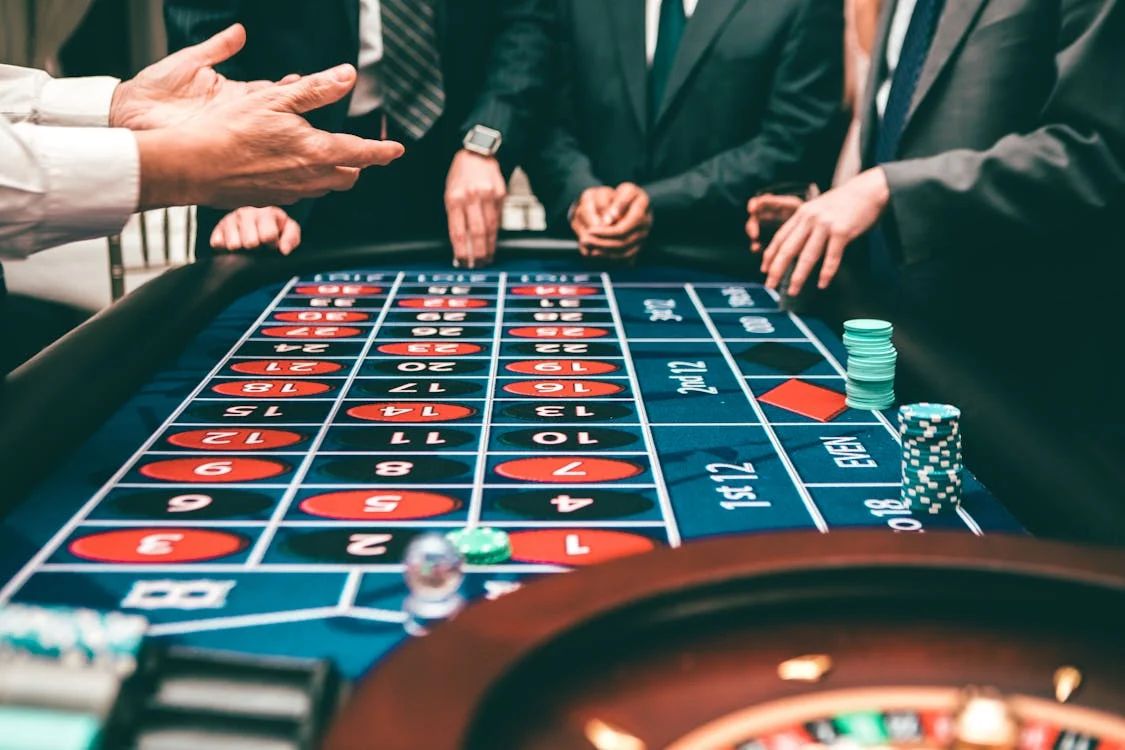
Moreover, experienced players frequently encounter situations where they make all the right choices but still lose due to unexpected bad luck. This illustrates that even in games where skill is essential, luck can profoundly impact short-term results. Therefore, players must learn to accept the fluctuations of fortune and develop emotional resilience to maintain a balanced and healthy approach to their gameplay.
Ultimately, while skill can enhance a player’s potential and improve their decision-making, the unpredictability of luck should never be underestimated. Understanding this dynamic can help players adopt a more responsible approach to gambling, realizing the limits of their influence while still appreciating the enjoyment that comes from the game, regardless of the outcome. Achieving a balance between skill and luck can lead to a more satisfying gambling experience while reducing the adverse effects of losing streaks.
Understanding the Odds and Reality of Gambling
Gambling comprises a complex interplay of entertainment and risk, making it imperative for players to comprehend the odds associated with the games they engage in. Many gamblers lack awareness of the specific probabilities tied to their chosen games, leading to misconceptions about their chances of winning. Each game possesses its unique set of odds, and educating oneself about these probabilities can significantly influence decision-making and expectations. Understanding the house edge and how it applies to various games can empower players to make more informed and strategic choices.
This comprehension ultimately helps demystify the concept of luck in gambling. Players who grasp the fact that outcomes are grounded in mathematical probabilities are better equipped to manage their expectations, reducing the emotional highs and lows that often accompany gambling experiences. By understanding the legitimate odds of different games, players can approach their gambling sessions with a more rational mindset, placing informed bets and enjoying the process without falling prey to unrealistic beliefs about luck.
In conclusion, gambling fundamentally hinges on chance, and recognizing the role of luck while being aware of the odds is critical for a healthy gaming experience. By debunking myths surrounding luck and fostering a realistic perspective, players can appreciate the thrill of gambling while remaining grounded in the realities of game mechanics. This balanced approach not only enhances enjoyment but also diminishes the likelihood of negative outcomes often associated with gambling addiction.