
The Foundations of Game Design in Casinos
The design of casino games is deeply rooted in an understanding of human psychology and behavior, and many players enjoy exploring options such as online pokies australia to experience the thrill. Game designers leverage principles from behavioral psychology to create games that not only attract players but also keep them engaged for extended periods. A key aspect of this design process is the thrill associated with risk and reward, which players find irresistible. The uncertainty of outcomes triggers excitement and anticipation, encouraging players to engage with various games, from slots to table games. This foundational principle is instrumental in developing games where the potential for significant wins keeps players coming back for more.
The physical layout of a casino is also critical in the overall game design strategy. Designers strategically position games to entice players to explore and engage impulsively. Bright lights and captivating sounds are meticulously positioned to capture the attention of passersby, inviting them to try their luck. This creates an immersive experience, enhancing player satisfaction while simultaneously heightening the likelihood of spontaneous game participation. Such strategies capitalize on psychological tendencies such as curiosity and the desire for immediate gratification, effectively driving player behavior.
Cognitive biases also play a significant role in game design. Designers exploit biases such as the «gambler’s fallacy,» where players erroneously believe that previous outcomes influence future results. This leads to irrational decision-making during gameplay, which designers can harness to enhance the appeal of games. By creating an environment where players feel they have a chance of winning based on flawed reasoning, game developers can maintain player engagement while ensuring that the house edge remains intact. Thus, the psychology of casino game design is a sophisticated blend of visual aesthetics and psychological strategies aimed at maximizing player engagement and revenue.
The Impact of Sound and Visuals on Player Engagement
Sound and visual effects in casino games are pivotal in shaping the player’s emotional experience. Designers utilize immersive audio and visual elements to create an atmosphere that enhances the thrill of gameplay. For instance, the celebratory sounds accompanying a player’s win evoke feelings of joy and excitement. These auditory cues reinforce positive experiences and condition players to associate certain sounds with winning, which increases the likelihood of continued play and investment in the game.
The visual design of games is equally critical in maintaining attention and engagement. Colors, graphics, and animations are carefully selected to elicit specific emotional reactions from players. Bright, vibrant colors often dominate slot machines, as these hues have been proven to attract and stimulate feelings of happiness and excitement. Moreover, animations that accompany wins or significant game events amplify emotional responses, ensuring that players remain invested in the game. This interplay between auditory and visual elements is essential for creating a holistic gaming experience that resonates with players on multiple sensory levels.
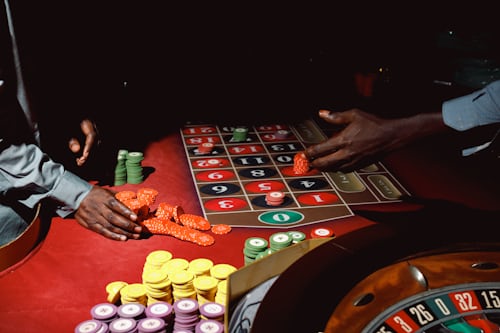
Moreover, the integration of these sensory elements is intricately linked to the concept of “flow,” where players become deeply immersed in the gaming experience. Achieving a flow state means players lose track of time and become fully engaged with the game, often leading to extended play sessions. Game designers meticulously craft these experiences, ensuring that the combination of sound and visuals contributes to a seamless, captivating environment that encourages players to return and seek the thrill of gaming. This psychological engagement is crucial for player retention and satisfaction.
The Role of Rewards and Incentives
Rewards and incentives are cornerstone elements in casino game design that significantly influence player behavior. The reinforcement structure, particularly through variable rewards, is essential in keeping players engaged and encouraging repeat visits. Variable ratio reinforcement schedules, where rewards are presented at unpredictable intervals, tap into psychological principles associated with operant conditioning, making players more likely to chase after that elusive jackpot. This unpredictability amplifies excitement and maintains high levels of engagement throughout the gaming experience.
In addition to traditional game rewards, casinos often implement loyalty programs and bonuses to further incentivize play. These programs cater to players’ desires for recognition and validation, reinforcing their commitment to the casino experience. The concept of earning points or bonuses can create a sense of achievement, encouraging players to return frequently for more gaming opportunities. By crafting a robust rewards system, casinos can foster player loyalty and sustained engagement, turning casual visitors into regular patrons.
The psychology of loss aversion is another critical factor in reward design. Players are often motivated to continue playing when they feel they are on the verge of winning or recouping previous losses. Designers frequently create scenarios where players experience small wins amidst losses, leading to the perception that they are closer to a significant payout. This nuanced understanding of psychological tendencies is essential for developing effective game mechanics that keep players engaged while still allowing casinos to maintain a profitable operation.
Social Dynamics in Casino Game Design
The social aspect of casino gaming is vital when considering game design. Many games are crafted to encourage social interaction, which enhances player enjoyment and engagement. This is particularly evident in table games like blackjack and poker, where players interact not only with the dealer but also with each other. This social dynamic creates a unique atmosphere where camaraderie and competition coexist, adding an extra layer of excitement to the gaming experience. Players often feed off each other’s energy, contributing to a more engaging and enjoyable environment.

Online casinos have also recognized the importance of replicating the social gaming experience. Features such as live dealers or chat functions enable players to connect with others, fostering a sense of community. The transition to online environments demonstrates designers’ ability to adapt social elements historically found in physical casinos to digital platforms, ensuring that players still feel a connection regardless of their location. These social components significantly influence how players perceive their experience, leading to increased satisfaction and a greater willingness to engage further.
Moreover, the psychological principle of social proof plays a crucial role in game design. Players are often influenced by the actions of others, leading them to engage in games that appear popular or successful. Designers leverage this concept by showcasing player winnings and statistics, creating a perception of excitement that encourages others to participate. By incorporating social dynamics, casinos can create an environment that promotes shared experiences, ultimately enhancing player connection and loyalty to the gaming experience.
Conclusion: The Future of Casino Game Design
As technology continues to advance, the future of casino game design looks promising, with new psychological insights guiding the way. Developers are increasingly incorporating virtual reality (VR) and augmented reality (AR) elements, leading to even more immersive gaming experiences that engage players on a deeper psychological level. By simulating real-world environments, players can enjoy the thrill of gaming while feeling as though they are in a physical casino, thus amplifying their emotional engagement and overall satisfaction.
The continued evolution of data analytics will also play a significant role in understanding player preferences and behaviors. By analyzing player data, designers can tailor games to meet the specific desires of their audiences, ensuring that experiences remain relevant and engaging. This data-driven approach to game design allows casinos to refine their offerings continually, fostering loyalty and sustained player engagement. The integration of advanced analytics means that developers can anticipate trends and shift strategies in real-time, enhancing the player experience.
Ultimately, the psychology of casino game design will remain a pivotal factor in shaping how players interact with games. As designers harness the knowledge of human behavior and technological advancements, players can expect even more captivating, rewarding, and socially engaging casino experiences in the future. Understanding these elements not only helps players appreciate their gaming experiences but also sheds light on the intricate workings behind successful casino operations, ensuring both player satisfaction and business success.